
Phil’s Work
The Elrod Story
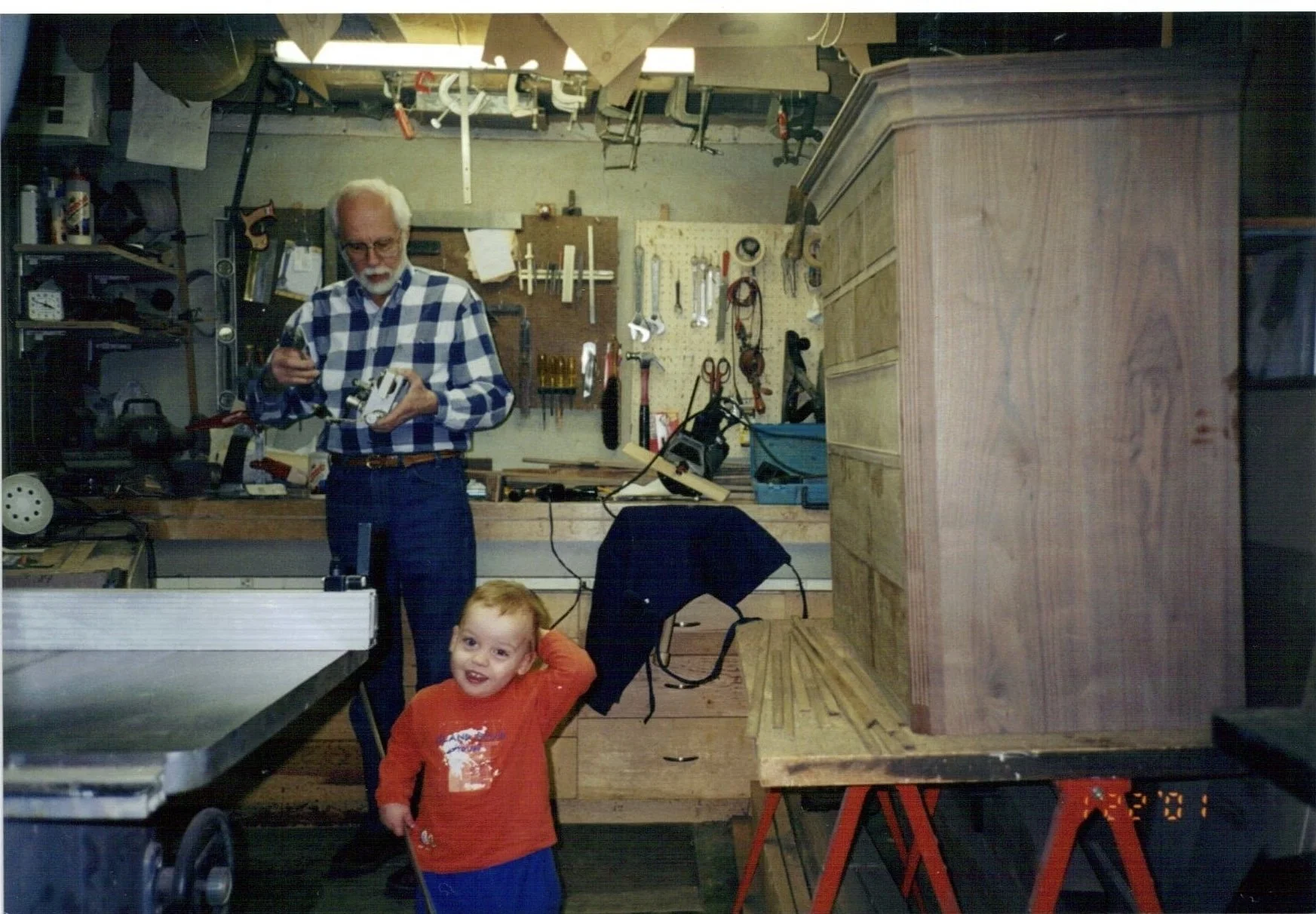
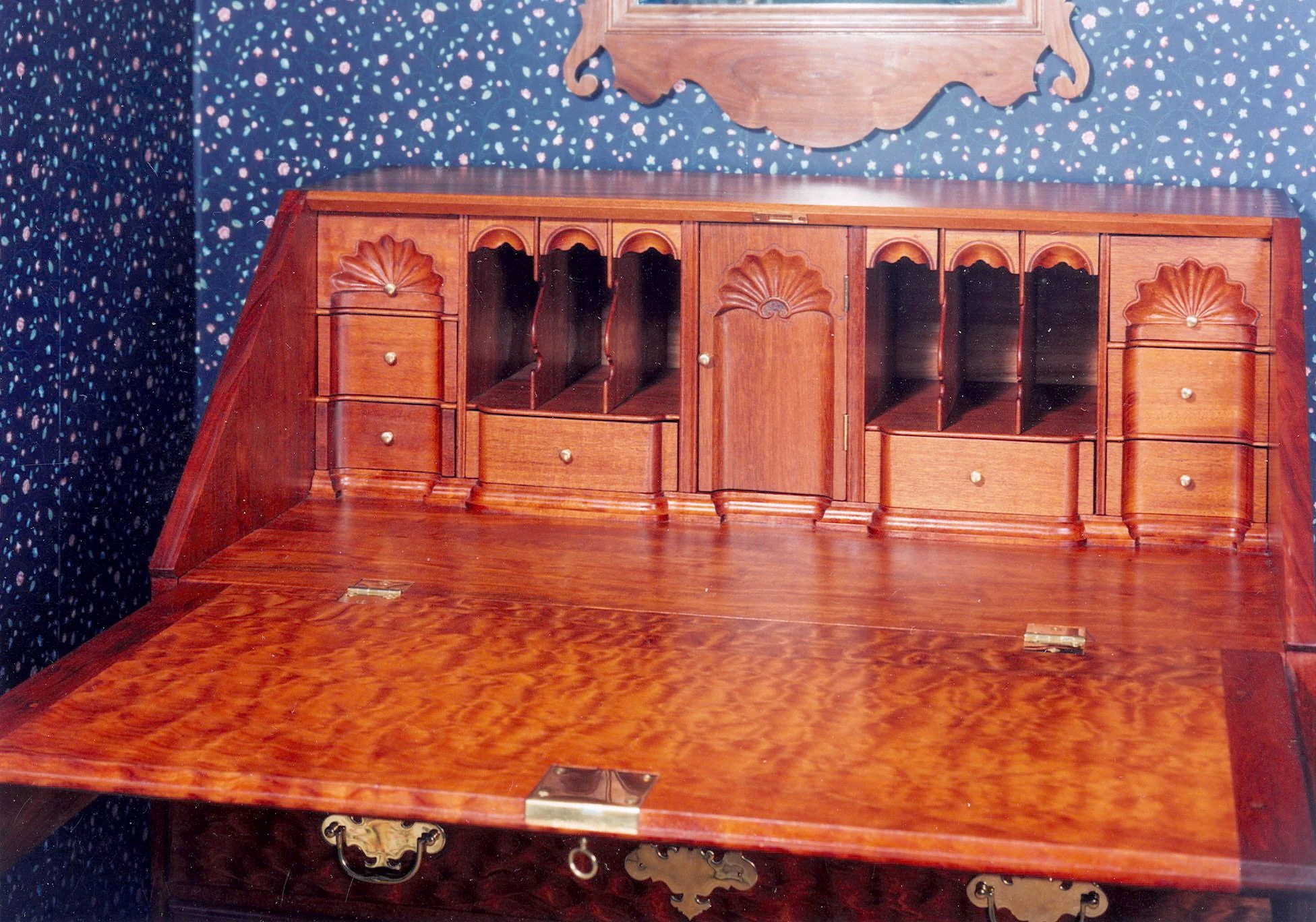
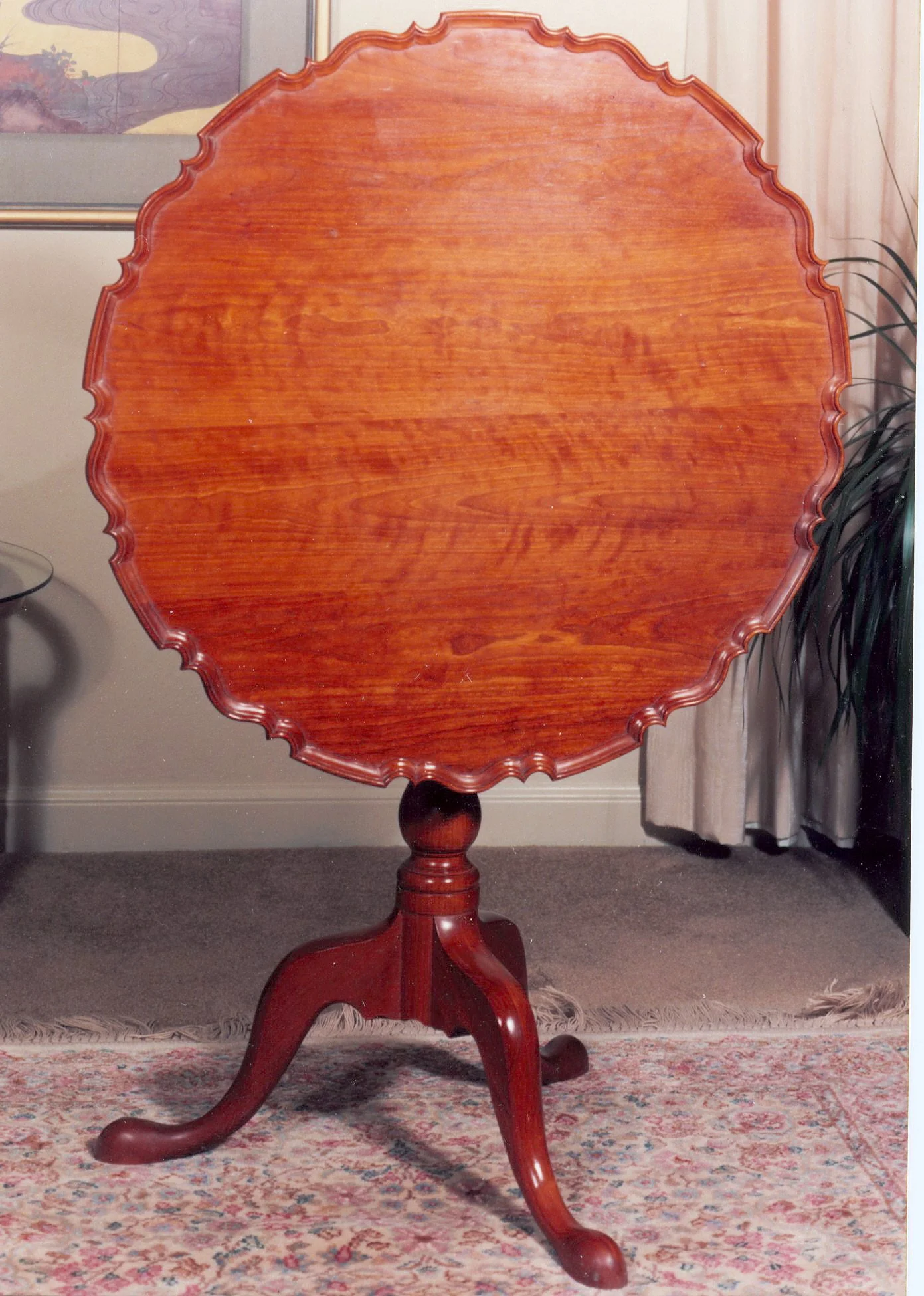
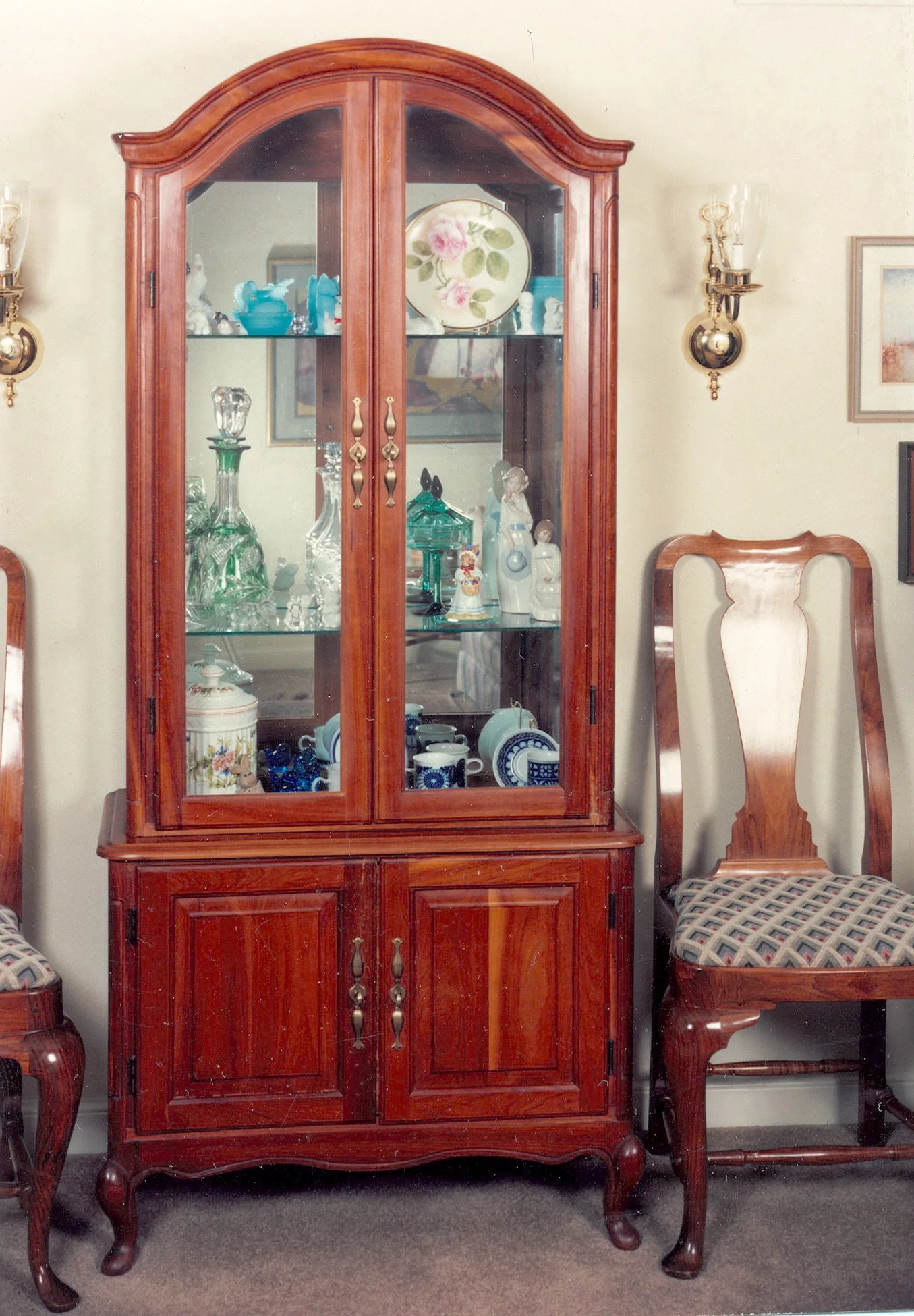
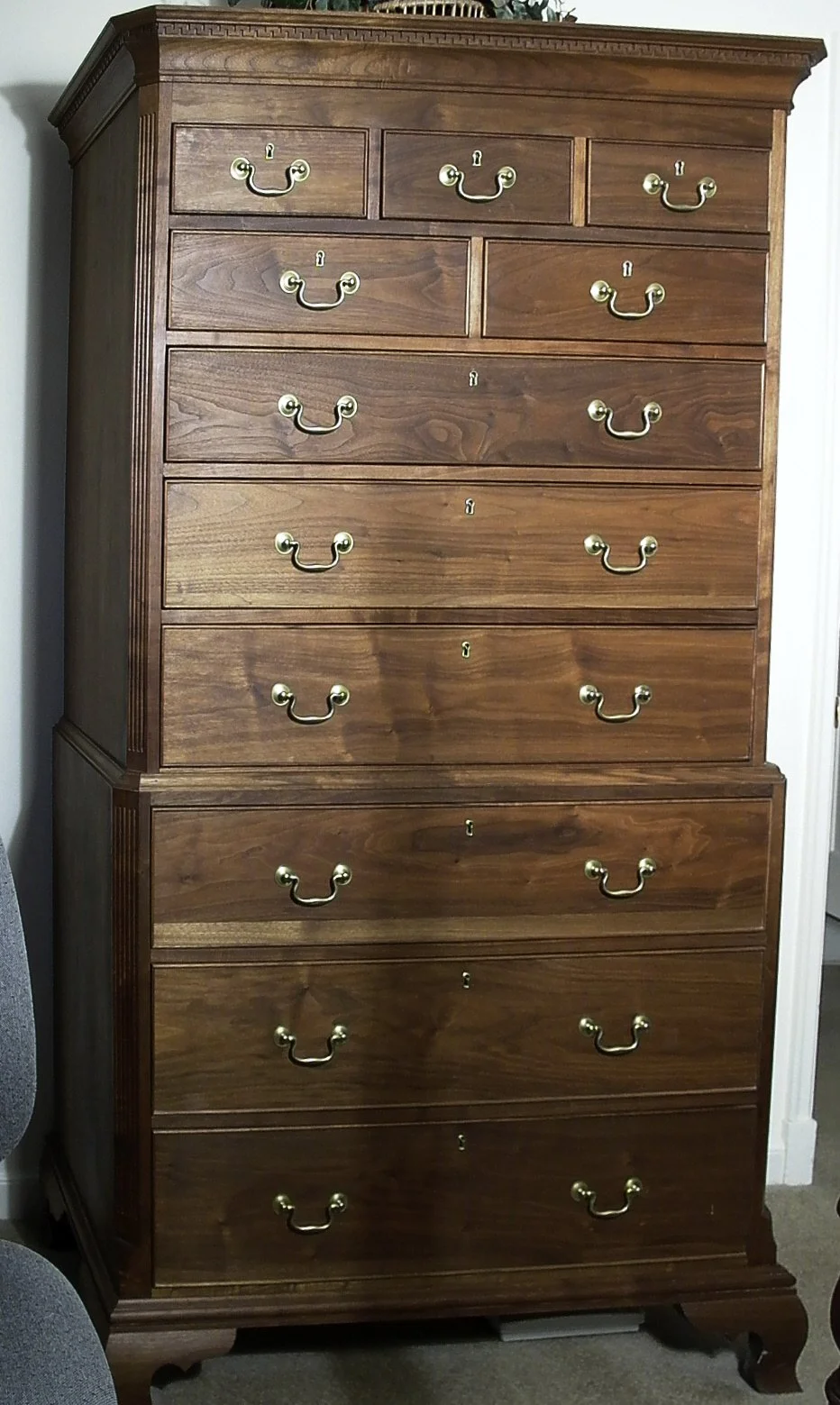
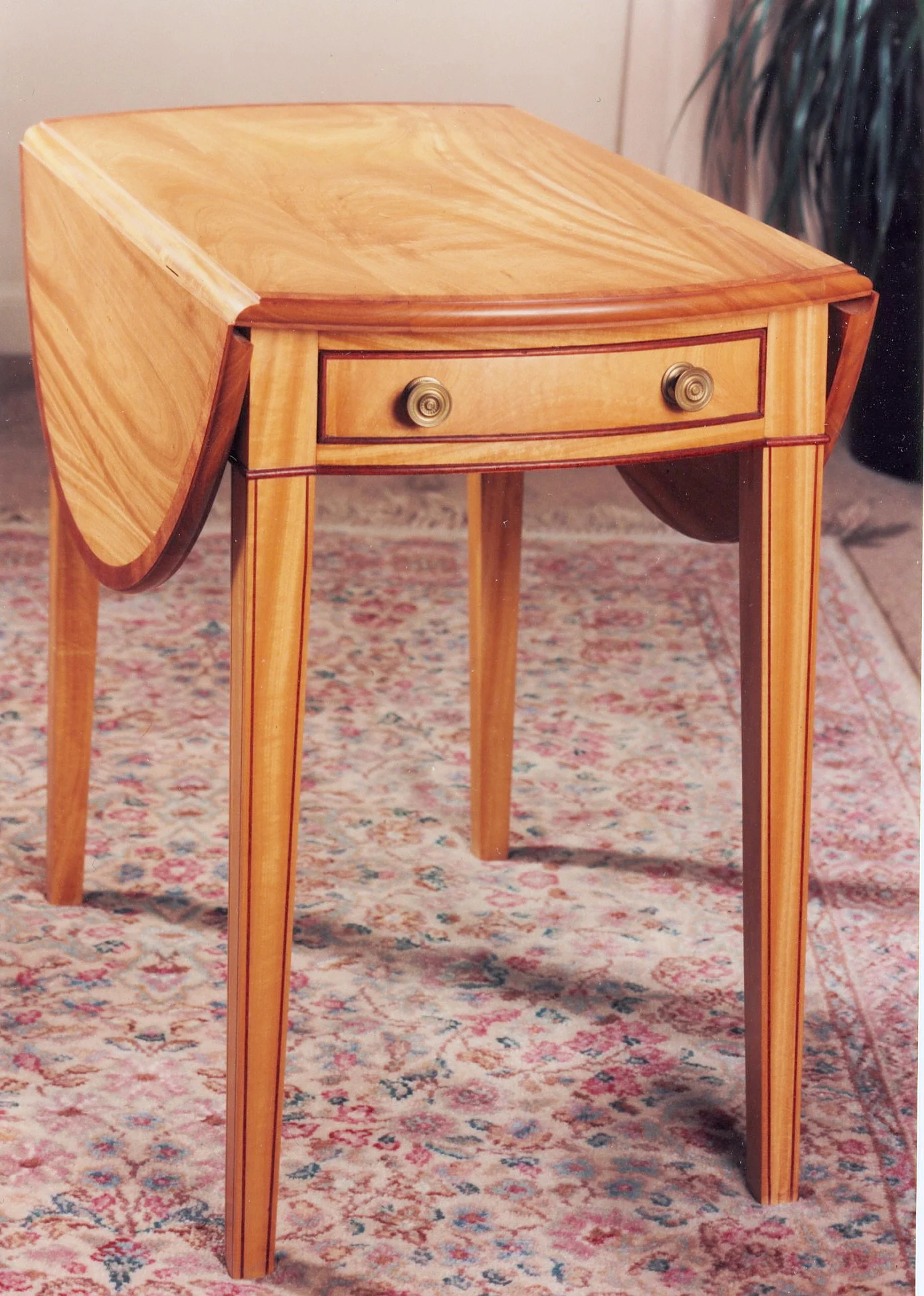
The story starts in a Grandfathers basement workshop. If ever there was a master craftsman, Phil was it. Anything was possible: harpsichords, clocks, kitchen cabinets, reproduction furniture, bunkbeds, wagons, and everything he could imagine. For years, he created countless pieces of art for people all across Iowa. Phil has a wealth of knowledge about anything historical and anything wood. He can identify nearly any era of furniture and, most of the time, even finds the book he read about it in. The photo above was taken of Phil and his grandson, Garrett. Unknowingly, Phil had led his grandson down a path that would eventually lead to the creation of this company. His grandson started sweeping floors on construction sites at the age of eighteen and has been learning from many talented people along the way. Garrett now builds and remodels houses around Iowa, still holding on to that love of woodworking through projects on nights and weekends. His special passion is doing projects not only to replicate old styles but also historical techniques. Garrett has built many projects entirely by hand, the way that generations of craftsmen have, every detail, every joint, every screw, is milled, drilled, scraped, and cut by hand. This page shows some of the work he has done through the years.
The Tool Chest
Years of hunting for lost knowledge. Every joint and process on this project was done entirely by hand. The dovetails on the box alone took eleven hours to rough cut, then several more hours to fit.
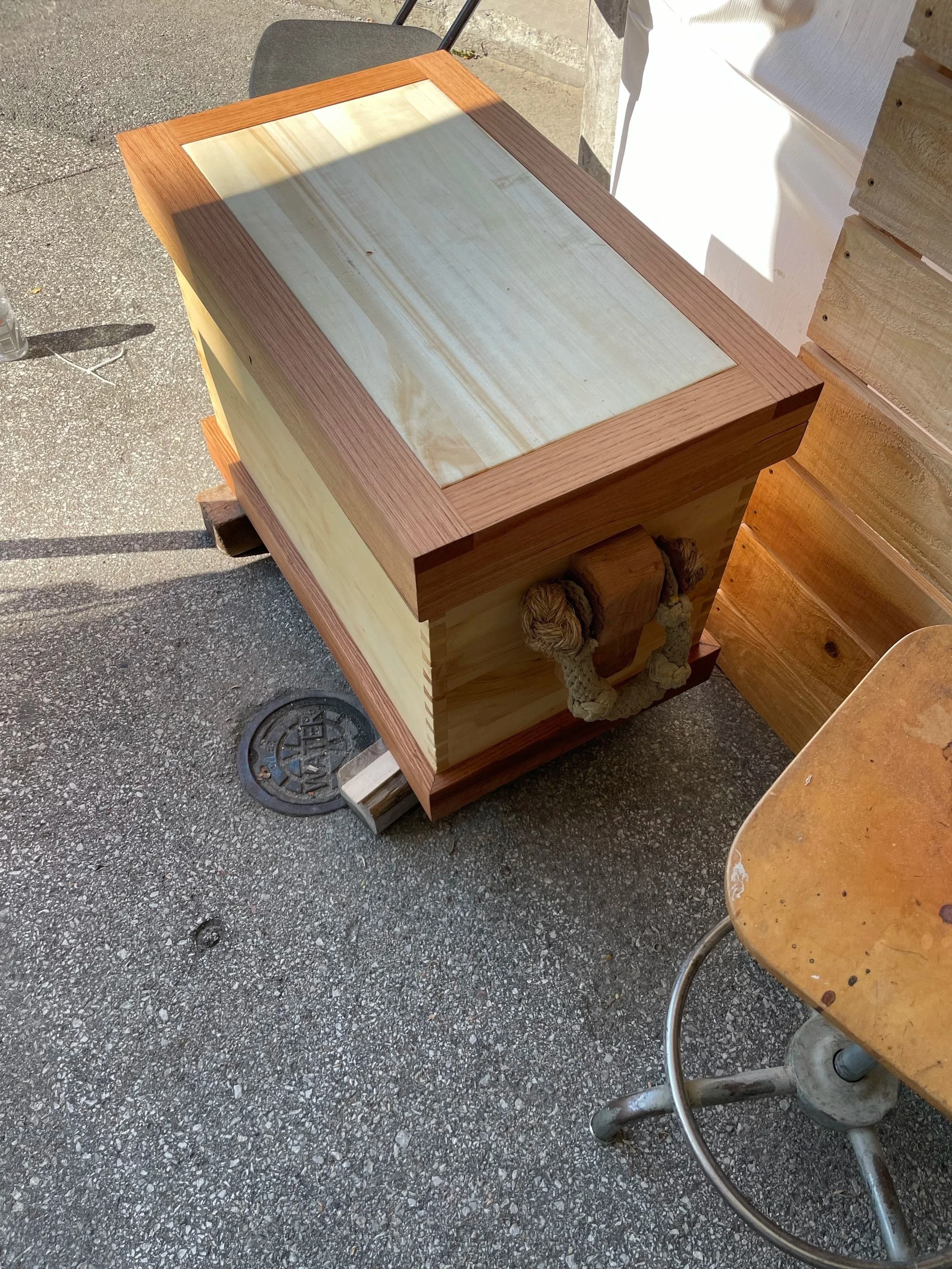
The main body of the chest was made from ginkgo; it has a very soft texture and is lightweight, similar to basswood. The skirting and trim are made from red oak, selected for its resilience and toughness and its visual contrast to the yellow and white in the ginkgo.
The drawers inside all hold the carving equipment that any respectable carpenter needs. The body of the drawers is made from reclaimed butternut. the very same wood that Phil had used in his trimwork in the same room with the patio door that inspired the hardware
Lumber used in the creation of this toolbox is called “urban reclaimed lumber,” saved from the wood chipper. Each tree was transported to a location to dry and mill. Each log of each tree is recorded and saved, just like us, each board has a story.
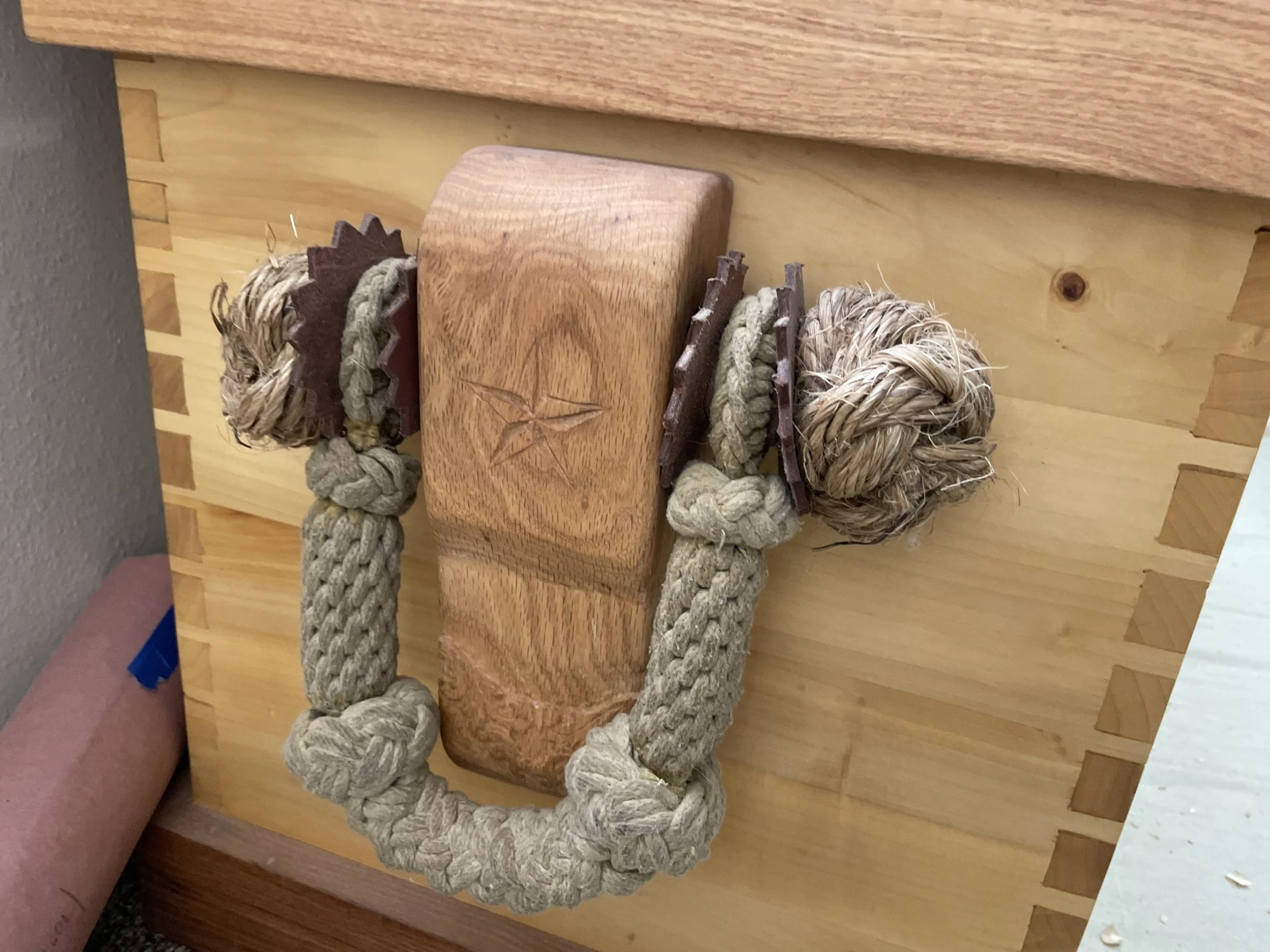
The rope handles on this box are known as chest beckets. This design dates back to early life on wooden whale-hunting sailing ships. where men would be out at sea for months without much to occupy their time between catches. Men of this time would often spend time creating decorative knots and ropework called “marlinspike”. Information on chest beckets is somewhat difficult to find. Information on how sailors made them, however, is next to gone. Garrett hopes that through months of research and many more months spent creating these simple-looking handles, he has somehow kept the story of these sailors’ craft alive.
The Handles
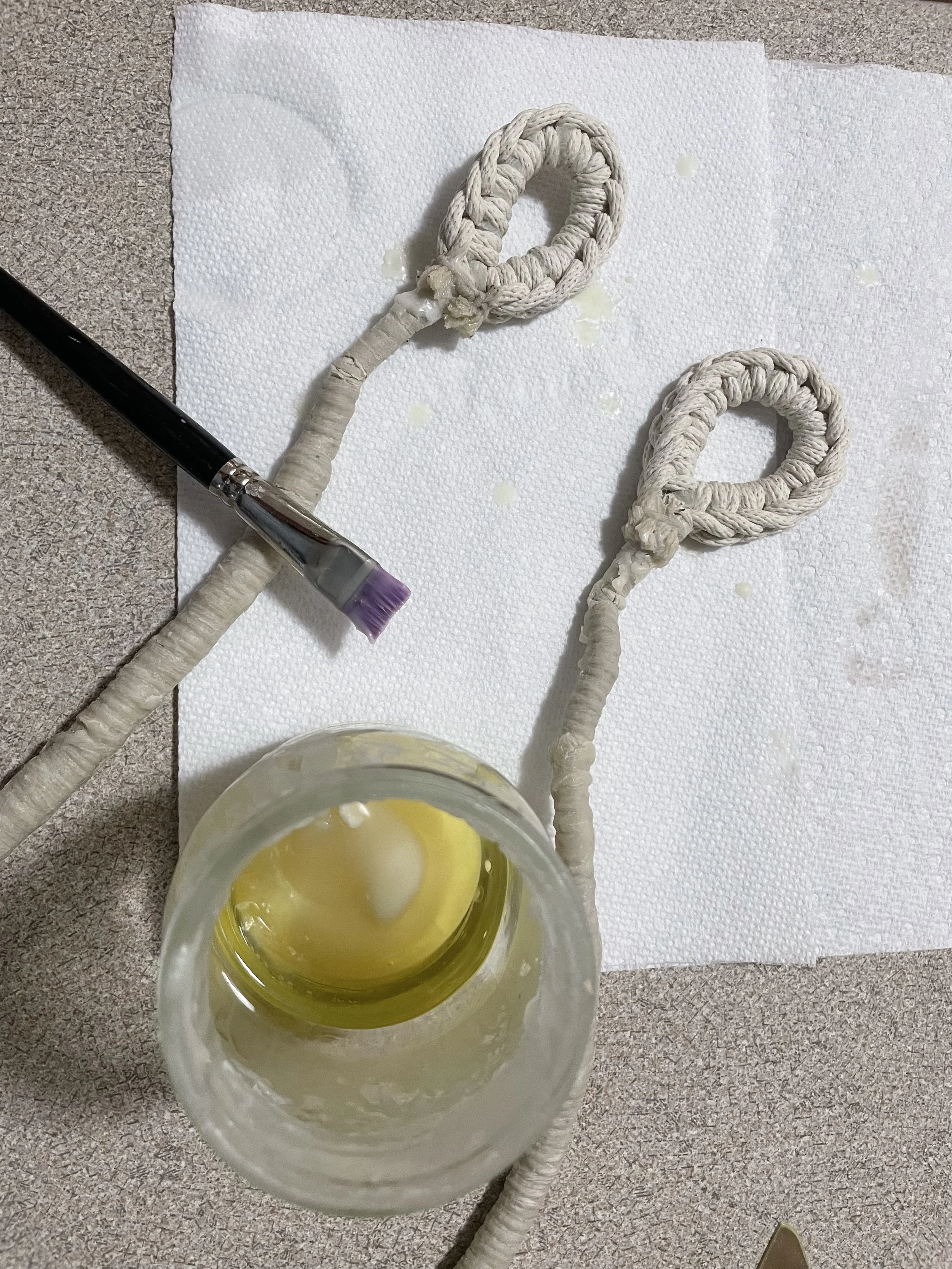
Originally, the rope sailors had access to was soaked in pine tar to keep the fibers from deteriorating in the harsh conditions aboard ships of the eighteenth century. However, pine tar is a very sticky and dirty substance to work with. Garrett has chosen not to use that in this project for fear of contaminating any future jobsites or projects with black sticky tar. Instead, he used a mixture of beeswax and oil, still possible for a sailor to have used, but less likely a method.
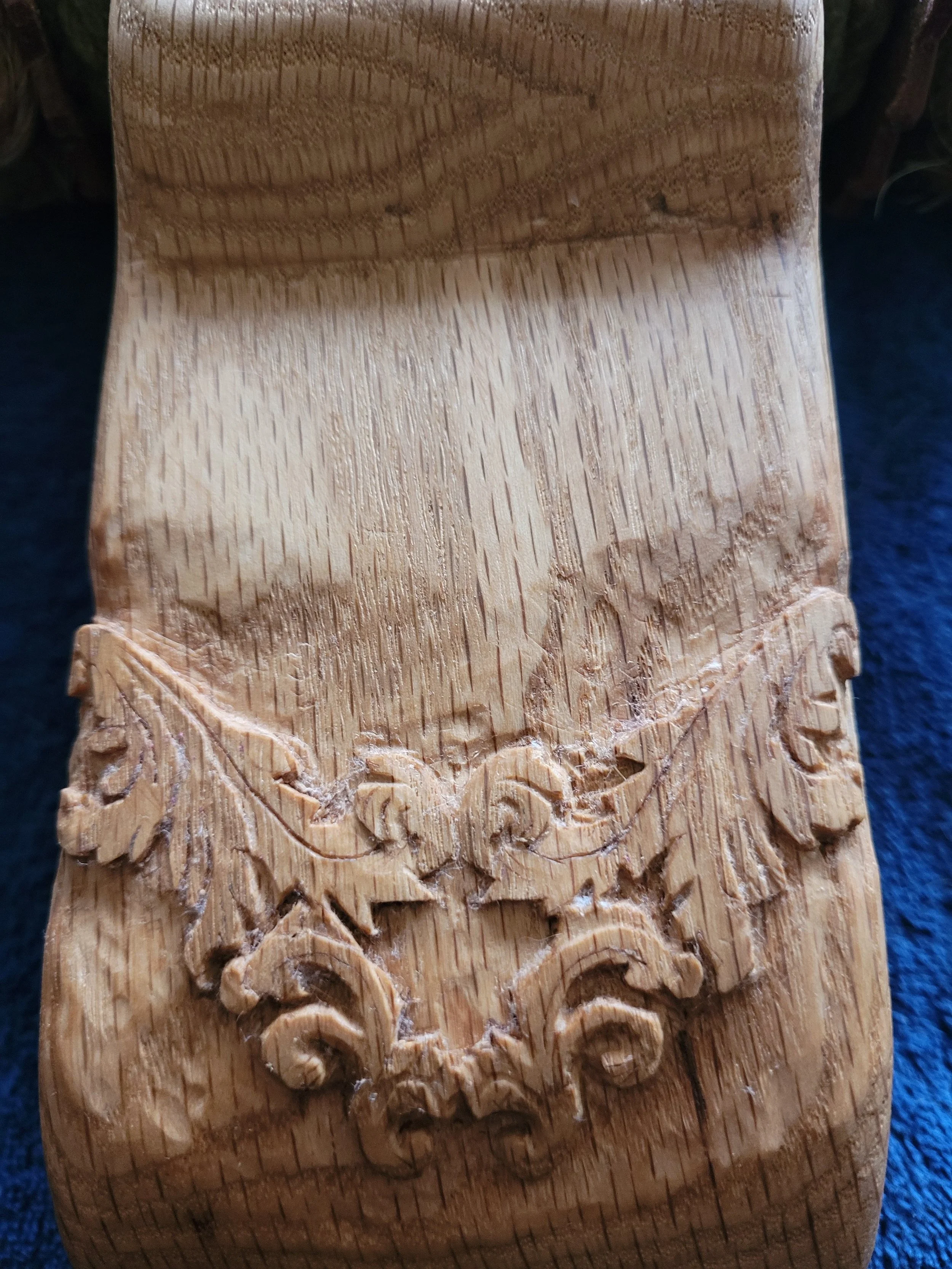
The carvings that adorn the beckets are a story all their own. The lower area, mostly covered by the rope, is called acanthus leaves. This particular method and style dates back to before the Roman Empire and has been prolific throughout furniture design and architecture for thousands of years.
The Interior
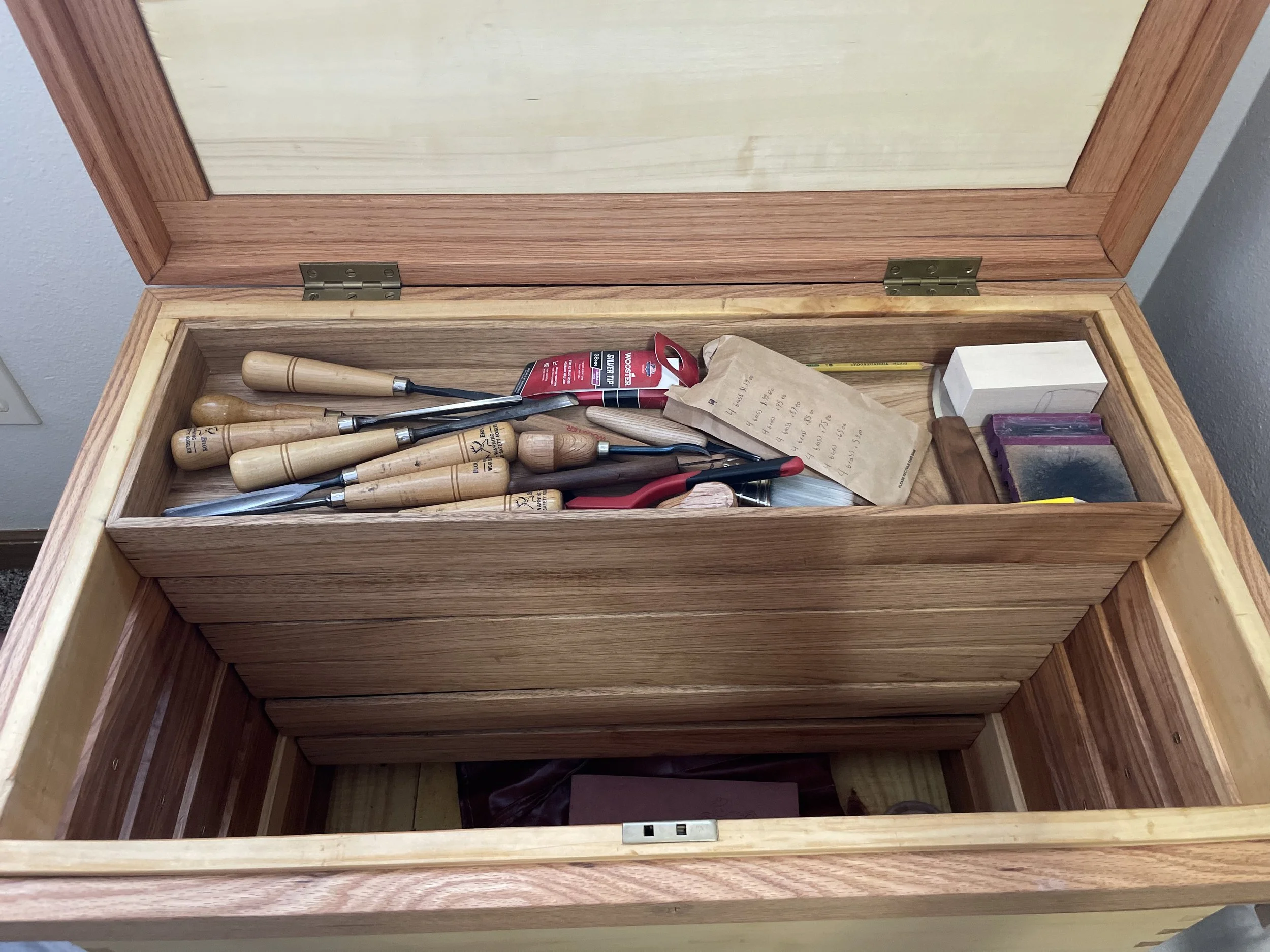
Almost before this project started, Garrett knew what hardware he wanted to use. He had stared at it for years on his grandfather’s patio door. patio door that from the outside looks uninteresting and plain, but from the inside is a wonderful take on a seventeeth century reproducion front door. complete with a heavy brass casement lock and hinges. No question, whoever made that lock was going to make him some chest hardware. It turns out that a small family company in Pennsylvania by the name Ball and Ball still makes the same reproduction hardware that Phil used for his works.